As businesses grow, the systems supporting them have to grow too. More products, new sales channels and changing customer expectations can quickly expose processes that once worked perfectly well.
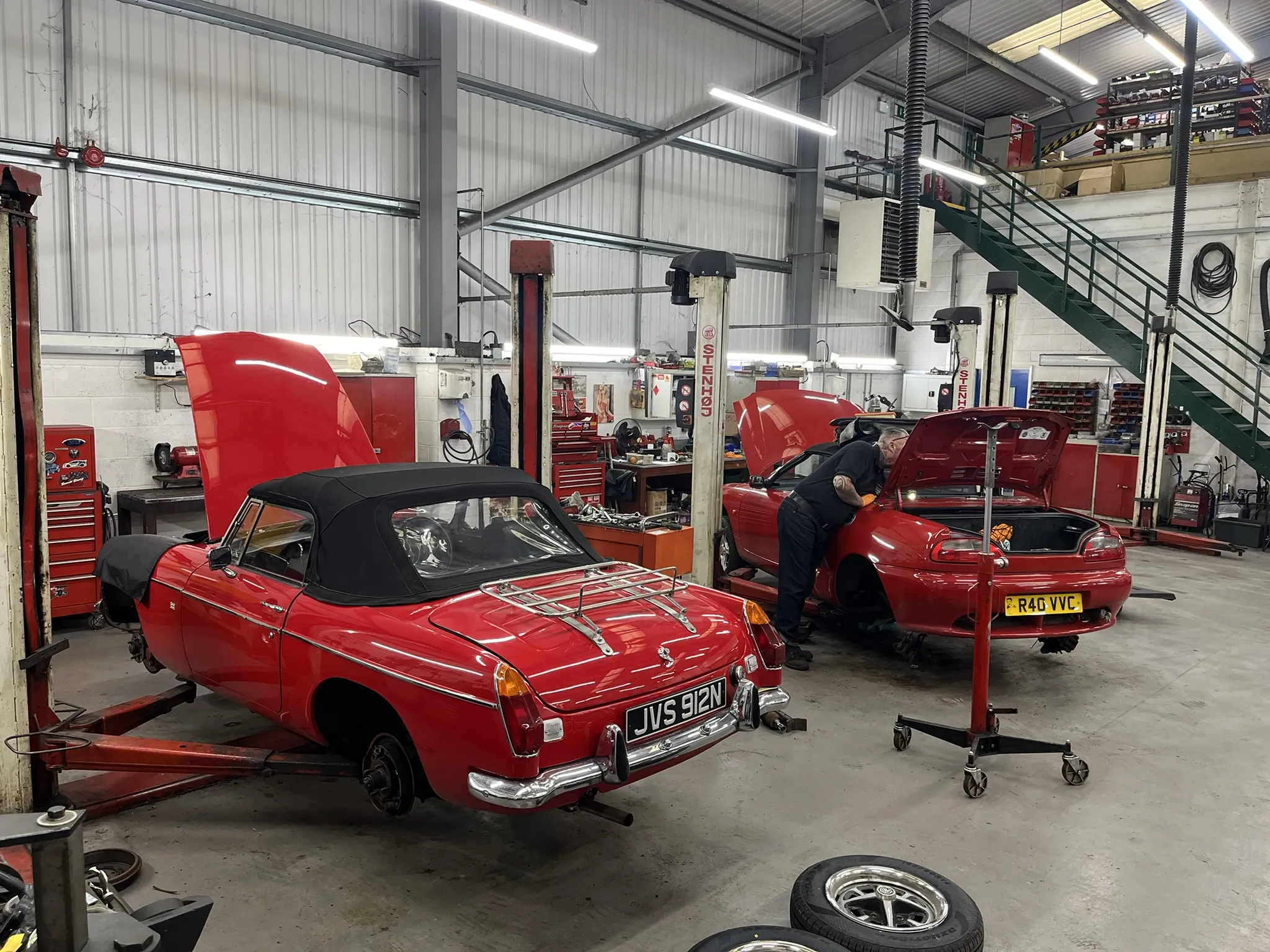
MGOC Spares is a good example. The business has grown from supplying parts for the MG Owners Club to managing a range of more than 30,000 parts across MG and other classic British marques.
Its experience offers some useful lessons for other businesses managing large and complex product ranges.
Growth Exposes the Gaps
MGOC Spares found its previous ERP increasingly restrictive as the business developed. It's a familiar problem: a system doesn't have to stop working to start holding a business back.
Workarounds, spreadsheets and manual processes can gradually become part of everyday working without anyone questioning why they're still needed.
Practical takeaway: Look at where your teams regularly work outside the ERP. These workarounds can be an early indication that the system hasn't kept pace with the business.
Not All Complexity Should Be Removed
MGOC Spares needed to manage multiple companies and services while ensuring stock ownership and profits were allocated correctly. It was an unusual requirement, but an important part of how the business operated.
This highlights an important point: standardisation isn't always the answer. Sometimes complexity exists for a good reason, and the system needs the flexibility to accommodate it.
Practical takeaway: Separate processes you follow because of system limitations from those that genuinely add value to the business.
Connect E-commerce to the Operation Behind It
For MGOC Spares, e-commerce isn't separate from the wider operation. Online orders connect with current stock and pricing before flowing through to warehouse fulfilment.
That connection becomes increasingly important as online sales grow. Otherwise, more online orders can simply mean more administration behind the scenes.
Practical takeaway: Follow an online order from click to despatch. Where does someone have to re-enter, check or manually transfer information?
Make Complex Products Easier to Find
With more than 30,000 parts, knowing exactly what to search for isn't always straightforward. MGOC Spares uses interactive parts diagrams and product selectors to help customers identify what they need.
The wider lesson is simple: your website should reflect how customers actually look for products, not how your internal catalogue happens to be organised.
Practical takeaway: Try finding several products on your website without using a product code. Could a customer who isn't an expert still get to the right answer?
Let Experienced People Use Their Experience
Connecting online orders with the wider ERP has also helped MGOC Spares' technical sales advisors spend more time advising customers rather than dealing with unnecessary administration.
That's a useful way to think about automation. It's not about removing people from the process; it's about making better use of their time.
Practical takeaway: Look at the repetitive tasks your most experienced people handle. How many genuinely require their expertise?
Build for What Comes Next
MGOC Spares wanted a solution that could continue to evolve as the business changed. That's important because today's requirements aren't necessarily tomorrow's.
Product ranges grow. New brands are introduced. Sales channels change. Customer expectations move on.
Practical takeaway: Don't only ask whether your systems support the business today. Ask how easily they could accommodate the next product range, sales channel or service.
One Question Worth Asking
There's a simple exercise behind all of these lessons: take a typical customer order and follow it through the business from enquiry to despatch and finance.
At each stage, ask: Where are our people compensating for the system?
The spreadsheets, duplicate entry, manual checks and knowledge held by individuals can reveal a lot about whether the technology still fits the business.
MGOC Spares' experience shows that the aim isn't to automate everything or change processes for the sake of it. It's to make sure the systems underneath the business support the people, products and processes that make it successful.
See how MGOC Spares put this into practice.