The world of agricultural parts distribution is a high-stakes, race-against-the-clock operation that keeps the global food supply chain moving. Unlike standard automotive logistics, agricultural parts distribution operates under intense seasonal pressure, extreme component diversity, and the devastating financial impact of machine downtime.
The High Stakes of Downtime
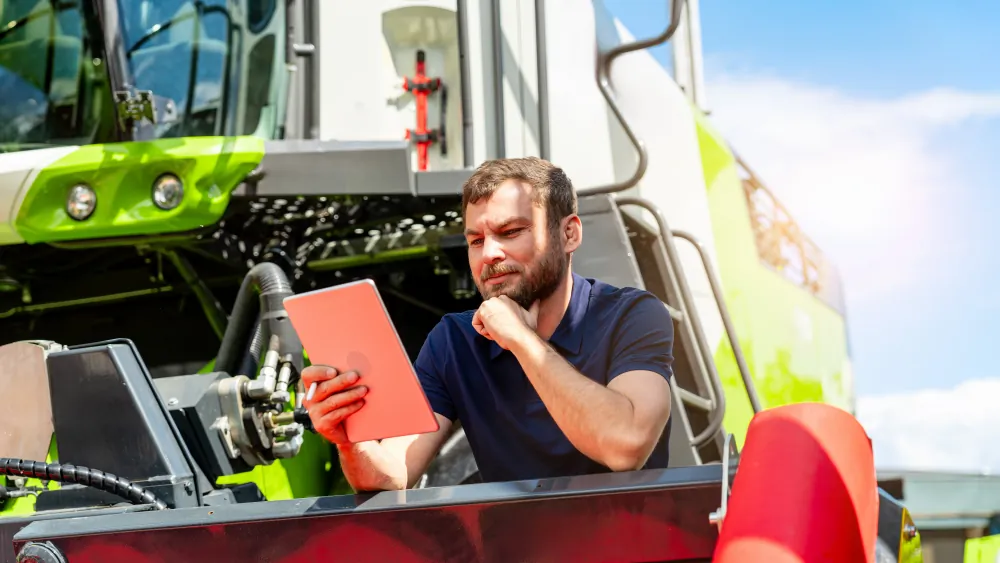
In agriculture, time is not just money; it is the difference between a successful harvest and a ruined crop. Farmers often have a window of just a few days to plant or harvest. If a combine harvester breaks down, every hour wasted waiting for a part increases the risk of weather damage to the crop. A downed machine during peak season can cost a farming operation thousands of pounds per hour. Distribution networks must be built to handle sudden, desperate logistics requests, requiring robust workflows and 24/7 availability.
Inventory Complexity
Managing agricultural parts inventory is a logistical nightmare due to the sheer variety and scale of the machinery. Distributors must carry highly specialized, low-turnover parts alongside fast-moving consumables (like belts, filters, and fluids). A distributor might store a specific gear for a 20-year-old tractor that only sells once a year, but when a farmer needs it, they need it immediately. It is common to see a brand-new, multi-million-pound autonomous tractor working the same field as a 30-year-old mechanical breakdown tillage tool. Distributors must bridge the gap between vintage mechanical parts and cutting-edge digital sensors. Inventory ranges from microscopic electronic chips and hydraulic seals to massive, multi-tonne combine headers and heavy-duty tires. This requires very precise planning and stock management.
Tiered Distribution
The journey of a part from factory to field usually relies on a tiered ecosystem. The Manufacturers (OEMs) like John Deere, JCB, AGCO, and CNH Industrial dictate the primary supply chain, controlling proprietary technology and certified replacement parts. Independent aftermarket distributors provide lower-cost, high-quality alternative parts. They act as a vital safety valve when OEM supply chains fall short. Local dealerships must balance their own local inventory based on the specific crops grown in their region (for example a dealer in East Anglia will stock differently than one in the Scottish Highlands).
The Changing Technology Landscape
Technology is having an impact of agricultural distribution in some very interesting ways:
- Predictive Maintenance & IoT: Modern tractors are connected to the cloud. They often alert the dealership that a part is failing before it actually breaks, allowing the distributor to dispatch the part proactively.
- E-Commerce versus Brick & Mortar: While older generations preferred walking into a local dealership and talking to a parts counter expert, the modern farmer increasingly relies on mobile apps and e-commerce platforms to source parts as soon as they are required.
- Right to Repair: This is a big talking point in the industry. The political and legal battles surrounding a farmer's right to modify or repair their own machinery is influencing how parts and diagnostic tools are distributed.
In summary, the modern agricultural distribution network needs to balance complex supply chain efficiency with the gritty, round-the-clock urgency of farming.
Contact us today to find out how an innovative web-based ERP solution such as De Facto Software's EDP ERP can help.